Energy Dividends: Trump Targets AI Data Centers
The President has called for AI hyperscalers to share excess power generation with local residents to offset rising utility bills and reduce neighborhood opposition.
By Jennifer Paige ·
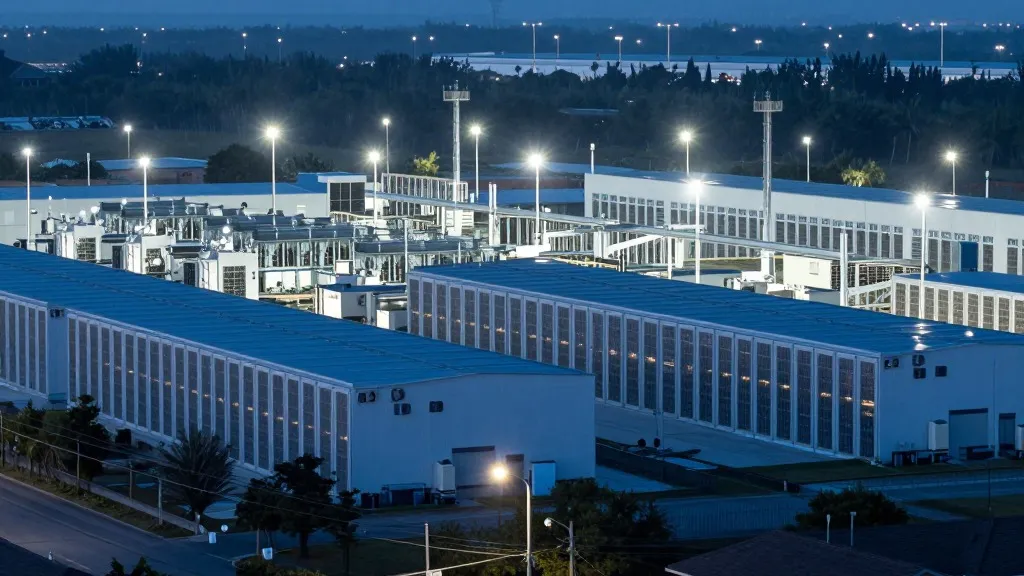
President Donald Trump has directed major data center developers and AI hyperscalers to provide financial or energy-based dividends to local communities. The move is designed to make large-scale AI infrastructure more acceptable to nearby residents by directly addressing the spike in electricity prices that often accompanies the construction of these facilities.
In a recent post on Truth Social, the President outlined a mandate requiring these massive operations to not only generate their own electricity but also return excess power to the local grid. The core objective is to prevent local utility costs from rising due to the high energy demands of AI computing, or even to drive those costs down for the surrounding neighborhoods.
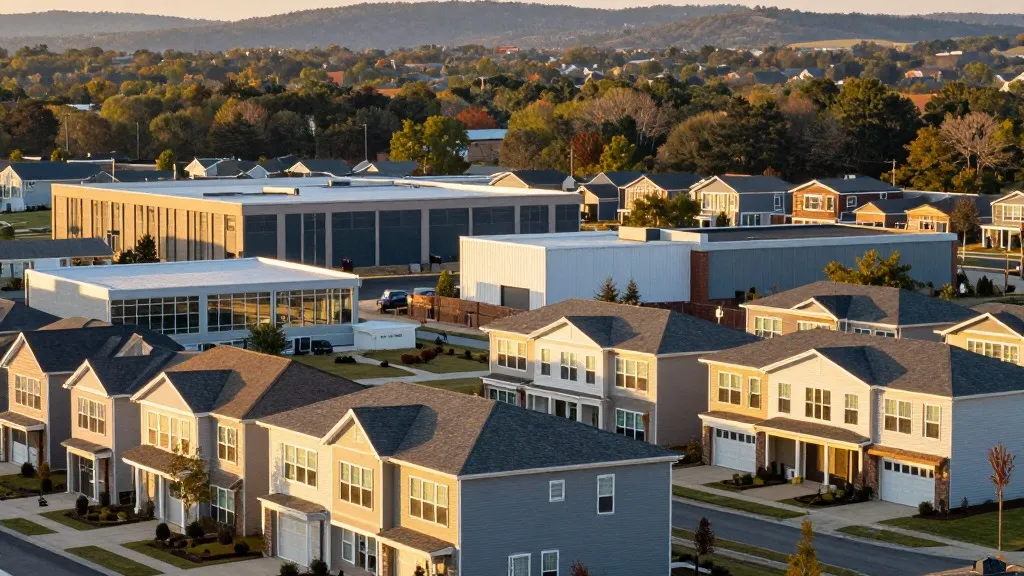
This directive comes as local populations across the United States have increasingly pushed back against AI data centers. Residents in small communities have cited several grievances, including significant noise pollution, air quality concerns, deforestation, and water shortages. Rising energy bills have become a particularly acute pain point, as the power-hungry nature of these facilities strains local grids.
The administration is eager to maintain a competitive edge against China in the global AI race. To that end, it is seeking to win back public favor by ensuring that the companies driving this boom contribute tangible benefits to the areas they occupy. While the specific mechanics of these dividends remain undefined, the focus on electricity suggests that a portion of the benefit may involve subsidizing local power costs or sharing generated energy.
Trump emphasized the economic incentive in his communication, noting that data centers which were previously unpopular became well-liked once a financial agreement was reached. He urged stakeholders to "MAKE DEALS, and get them built!!!" signaling a preference for rapid expansion through negotiated community benefits rather than regulatory delays.
However, significant questions remain regarding the practical implementation of this policy. The term "dividend" raises accounting complexities, as companies typically pay such distributions only when profitable. New data center builds often operate at a loss for years while recouping initial construction costs, which may limit their ability to distribute profits to locals in the short term.
Furthermore, the energy strategy relies on data centers generating their own power. In the immediate term, this often involves gas-powered generators, which can be noisy and inefficient. Critics argue that this may not be an immediate win for residents living in close proximity, as these units can introduce new local pollution issues before cleaner, longer-term generation methods come online.
Beyond energy costs, the proposal does not fully address other major community concerns. Enormous water consumption, ecological impact, and general pollution remain significant hurdles. Whether the promised energy dividends will be sufficient to overcome these broader environmental and logistical challenges is yet to be determined.
Source: Tom's Hardware